


What is ecotourism: pros and cons, how to distinguish it from a regular vacation
We understand each other objectively and without romanticizing.
What is ecotourism: in simple words, but in essence
Ecotourism is travel where nature is the main center of attraction, and the tourist's task is not to disrupt natural processes, use resources carefully and maintain local ecosystems.
It is important to understand:
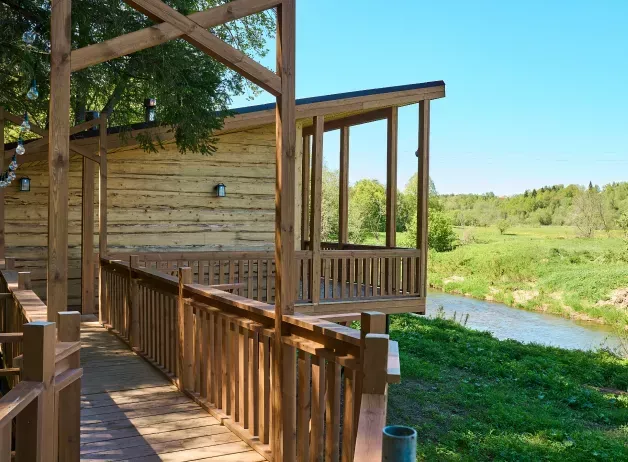
Ecotourism is not a tent in the forest or a hotel in the style of a wooden house. This is a comprehensive travel philosophy that includes:
Minimum ecological footprint
Examples:
garbage sorting;
the rejection of single-use plastic;
the choice of eco-routes that exclude harm to natural areas;
the use of local resources (food, buildings, materials).
Support for local communities
The tourist does not bring with him a "set of civilization", but gets acquainted with the local way of life: he tastes farm products, visits craft workshops, participates in natural activities.
Respect for flora and fauna
No noise, no bonfires in forbidden places, no souvenirs like rocks, plants, or feathers.
In other words, ecotourism is not only where you live, but also how you behave when traveling.
The differences between ecotourism and regular recreation
1. Recreation for nature vs outdoor recreation
An ordinary tourist: goes to a hotel, and nature is the background.
Ecotourist: rides for the sake of nature - reservoirs, forests, species, animals.
For example:
- Regular recreation - swimming pool, restaurant, show program.
- Ecotourism - forest trails, bird watching, farm, fishing, walking.
2. Reducing environmental impact
In classic trips, the tourist consumes maximum comfort.
In the eco-tour, he chooses energy efficiency, natural materials, and water conservation.
3. Real engagement
An ecotourist doesn't just observe - he participates:
- feeding animals on the farm;
- collecting herbs;
- farming workshops;
- tasting of local products;
- restorative practices in nature.
4. Infrastructure of "reasonable comfort" rather than luxury
In ecotourism, simplicity, environmental friendliness and naturalness are important, not status.
5. Contact with the outside world instead of entertainment
Instead of noisy bars, discos, and animations, silence, stars, forest, sauna, fishing, and mindfulness techniques.
Who is ecotourism suitable for
Ecotourism is the best choice if you:
- Tired of the urban tension. Silence, peace, a minimum of screens and a maximum of naturalness are important here.
- Love activity, but not "extreme at any cost". Walking, cycling, fishing, meeting animals, horseback riding.
- Traveling with your family. Children especially appreciate contact with animals and simple activities: feeding goats, picking berries, playing outdoors.
- Looking for a "reboot". The eco-format really helps to reduce anxiety, improve sleep and regain energy.
- You prefer a meaningful vacation. When it's not the photos that matter, but the sensations: the smell of the forest, the taste of natural products, contact with the earth.
Advantages of ecotourism
1. Health and psycho-emotional recovery
- Reducing stress levels due to natural landscapes.
- Improved sleep (less artificial light, a gentle rhythm of the day).
- Natural food and clean air.
2. No congestion and fuss
There are no queues, crowds, noisy restaurants, just your own space and the nature around you.
3. Real emotions and new skills
- try natural products directly from the farm;
- riding a horse;
- learn how to handle animals;
- master hiking trails;
- learn to fish;
- take master classes (cheese making, craft, cooking).
4. Benefits for the environment and local farms
You leave money where it really helps.:
farmers, eco-projects, natural territories.
Disadvantages of ecotourism - honestly and to the point
- Less of the usual entertainment. There is no animation, loud bars, concerts - there is a different tempo here.
- Nature dictates the conditions. The weather may change, and some activities depend on the season.
- Not for those who care about luxury. Interiors are often simple, natural, and no frills.
- You need to be prepared for silence. The noise of the city masks thoughts, and nature, on the contrary, exposes the state - not for everyone it is easy.
How to understand that a location is really "eco-friendly" and not just called that
Here are clear criteria by which it is easy to distinguish real ecotourism from marketing:
- The natural area is not disturbed. Not an artificial park, but a real forest, fields, and reservoirs.
- Local products. Farm, farms nearby, minimal food logistics.
- Energy efficient solutions. Wooden houses, thoughtful heating, water conservation.
- Activities are related to nature. Walking, fishing, sauna, horseback riding, quad biking, herb picking.
- Less plastic and disposable solutions. Garbage sorting, glass, reusable dishes are a good sign.
- No noisy parties. Nature is at the center of the concept.
Where to try ecotourism
If you want to feel what it's like to live in the rhythm of nature, Ecorancho offers:
Natural space
houses near the forest and lakes, real silence, stars, fresh air.
Farm
farm animals, natural products, workshops, tastings.
Activity
horseback riding, ATVs, bicycles, fishing, walking.
Complete relaxation
sauna, cozy evening areas, spa and massages, contact with nature without fuss.
Natural cuisine
local products, dishes that reflect the season and the place.An eco-ranch is an opportunity to try real ecotourism without long flights and without loss of comfort.
- What is ecotourism: in simple words, but in essence
- The differences between ecotourism and regular recreation
- Who is ecotourism suitable for
- Advantages of ecotourism
- Disadvantages of ecotourism - honestly and to the point
- How to understand that a location is really "eco-friendly" and not just called that
- Where to try ecotourism
Interesting articles

Team building: what is it in simple terms, types and eco-team building in nature
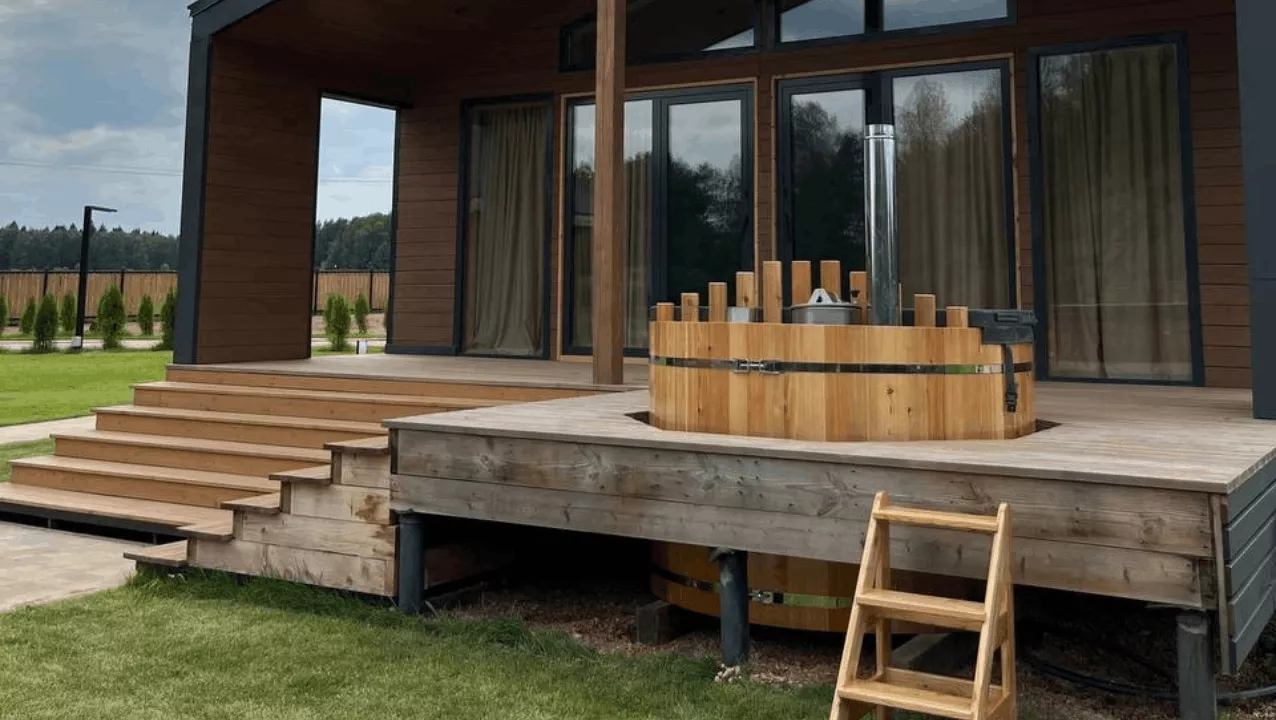
Bath tub: what it is, the health benefits, and how to steam properly

Eco-farm and eco-village: what it is, how it works and how it differs from an agricultural estate
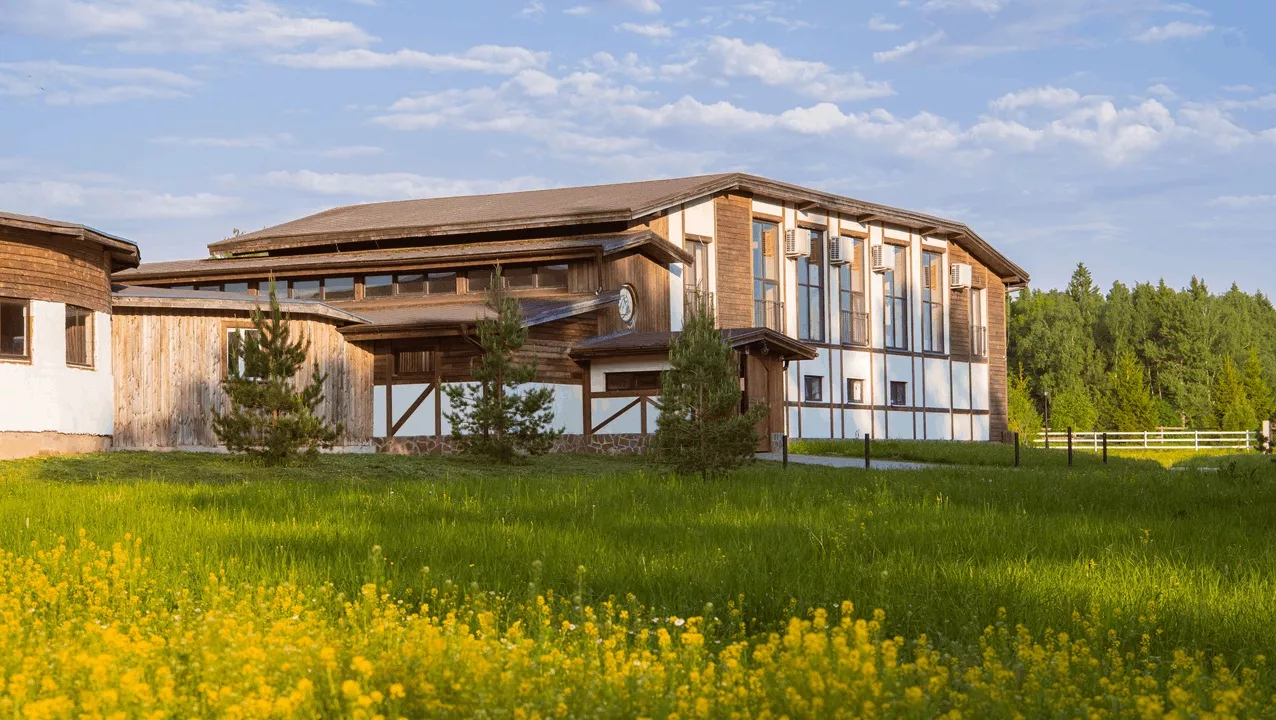
Where to go for a weekend from Moscow: how to choose a country holiday format for your company
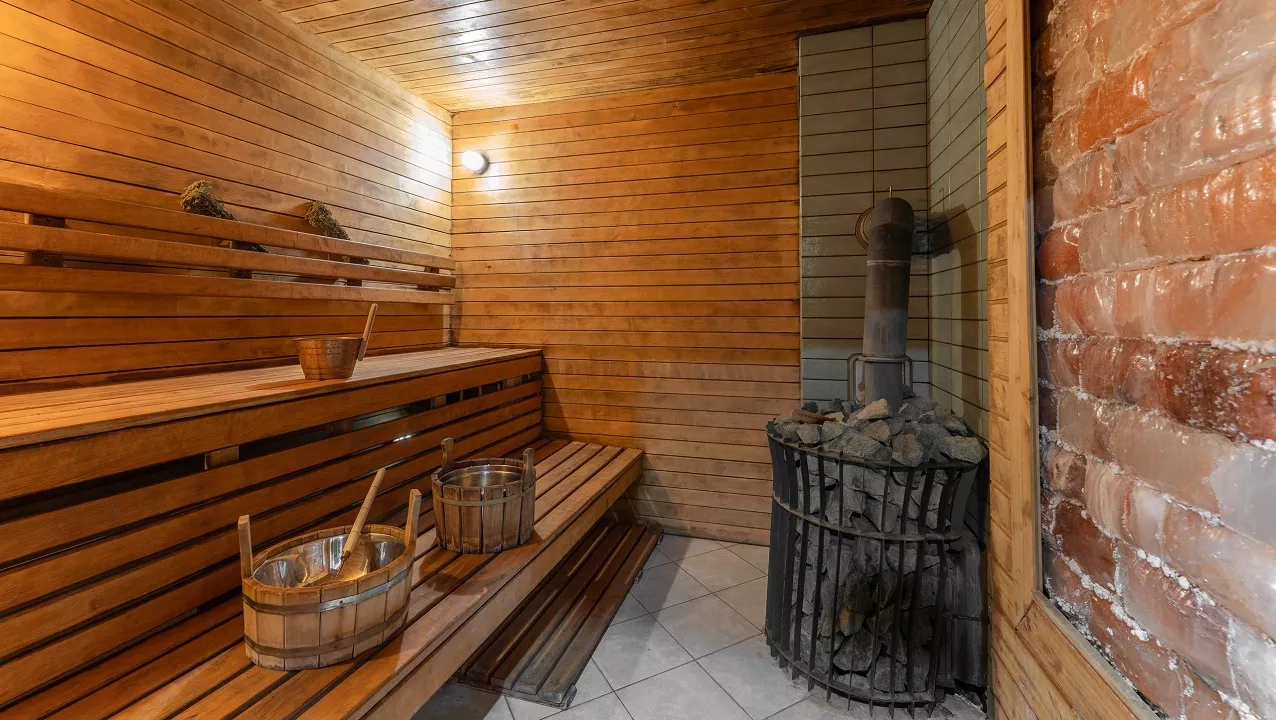
Sauna with children: from what age is it possible and how to prepare a child for the first visit
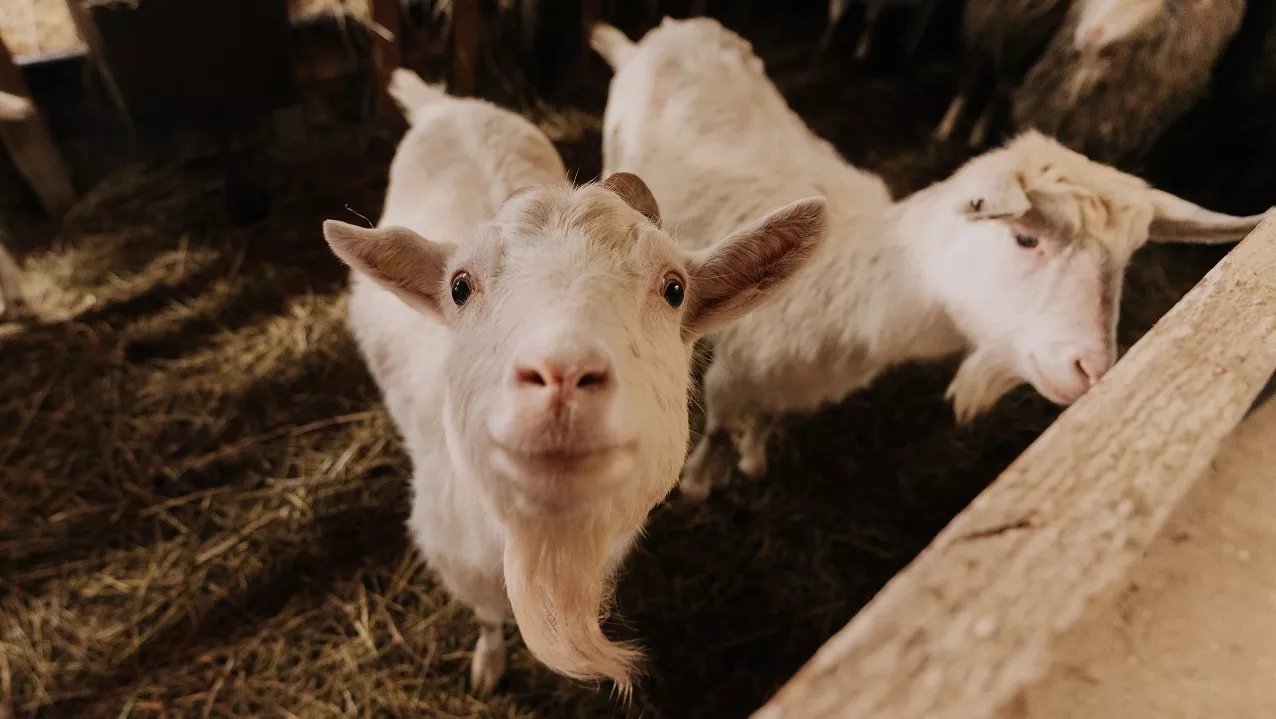
Goat's and cow's milk: how to choose a natural product and what are the benefits of farming traditions

Outdoor barbecue near the forest: how to organize gatherings with a company

Yoga and meditation in nature: a new format of recreational recreation

What is "slow tourism" and why is it gaining popularity in Russia?
Contrast treatments: how to alternate heat and cold in a Russian sauna


How farm cheese differs from store-bought cheese: 7 things You'll Notice right away

Wedding anniversary in nature: how to turn an important date into a real trip for two

How family vacations together change the relationship between parents and children

Agrotourism for children: how farm holidays help development, health, and family recreation

Ecorancho Workshop: how to work productively and really relax

Fishing in the Moscow region for the weekend: trophies, peace and comfort on an Eco ranch

Winter ATV riding in the Moscow region: drive, nature and new experiences

Winter Fishing: a complete guide for beginners and those who want to fish comfortably

Holidays with kids up to 3 years old in the country: what to take and where to settle

Fishing for beginners: Where to start to catch your first trophy
The eco-ranch is your trophy start.
Sleep tourism: what it is and why it is becoming a global trend
The main principle: no alarm clocks, urgent calls, or deadlines. Just silence and tranquility.
What to take with you to the recreation center
Let your vacation in the Eco-Ranch go perfectly - you will be sure that nothing is forgotten!
Country holidays in winter: what to do besides skiing
Winter in the Moscow region is a great reason to get out of the city and discover new leisure formats.

The art of the Russian bath: how to steam properly for health and pleasure

A romantic margin of marriage and heart in nature: how to create the perfect moment

How to choose a country hotel in the suburbs for a trip with grandparents

Family weekend in the suburbs: how to occupy children and adults

Why it's worth celebrating a holiday in nature in the Moscow region

Organization of a children's birthday in nature: ideas and tips from Ecorancho

Fishing in the Moscow region in summer: trophy biting in the "Ecorancho"

Gastronomic tourism outside the city: farms, restaurants and tastings


In search of peace: fishing on eco -rancho - art art in nature


Active vacation outside the city: tracking, bicycle routes and horseback riding
Advantages of eco-tourism for health and ecology
Ecotourism is not just a fashion trend, but a conscious choice in favor of harmony with nature.

The best tips for organizing a picnic in nature
Organizing a picnic in nature requires careful preparation and attention to detail

How to choose a suitable place to relax outside
A suburban vacation allows you to restore strength naturally.

History of cheese making: how cheese culture has developed around the world
Over the millennia, this amazing product has gone from a simple way to preserve milk to an exquisite delicacy.
Why it is important to introduce children to farm animals: education and development
Communication with animals on the farm opens up new opportunities for children, contributing to their harmonious development and the formation of important life skills.

The importance of farm products in modern cuisine
In recent years, interest in farm products has shown steady growth.

The advantages of a winter vacation with fishing and a sauna for the New Year
Celebrating the New Year in nature creates a special holiday atmosphere.
Corporate nature retreat in the Moscow region
The eco-hotel "Ekorancho" offers excellent conditions for a successful Corporate retreat in the Moscow region.
Glamping with a swimming pool: a new format of comfortable rest in the Moscow region
Don't put off your ideal vacation for later. The eco-ranch is waiting for you to give you an unforgettable experience and help you recharge away from the hustle and bustle of the city.
New Year's holiday in the Moscow region: how to spend the holidays in an eco-hotel?
For those who want to spend the New Year holidays away from the hustle and bustle of the city, but at the same time not deprive themselves of comfort, a vacation in an eco-hotel in the Moscow region will be an ideal solution.
Fishing with accommodation in the Moscow region: the perfect combination of relaxation and pleasure
Fishing in the Moscow region is becoming increasingly popular among residents of large cities looking for privacy and tranquility in nature.


