


How farm cheese differs from store-bought cheese: 7 things You'll Notice right away
Have you ever noticed that a piece of cheese from a farmer's market or from does the cheese factory feel completely different from the usual bar from the supermarket? This is not self-suggestion or marketing. The difference is quite real and easy to explain. We will analyze seven specific differences that you will feel, see and try for yourself, without any special equipment.
But first, an important caveat. The stores sell both real cheese and a "cheese product". These are two fundamentally different things: the first is made only from milk, the second contains vegetable fats and additives. When we say "store-bought cheese", we mean exactly real cheese (not a "product"), just industrial production.
1. The smell is lively versus neutral
Open the package of farm cheese and industrial cheese nearby. The farmhouse smells of milk, grass, and sometimes a slight sourness - these are live bacteria and natural fermentation. The industrial smell is either very weak or slightly chemical - a consequence of pasteurization at high temperatures and added flavors.
On farms, milk is usually pasteurized gently or not at all (depending on the type of cheese). This preserves the volatile substances that give the cheese its characteristic flavor. The factory equipment works with tons of milk and requires aggressive heat treatment - the aroma is leveled at the same time.
What to pay attention to: Good farm cheese smells differently depending on the season. In summer, cows eat fresh grass - milk is richer, and cheese from it is more fragrant.
2. The taste is deep versus flat
The taste of farm cheese is layered: at first you feel one thing, after a few seconds another. This is how the aftertaste works, which cheese makers call a bouquet. The taste of industrial cheeses is usually uniform and disappears quickly.
The reason is milk and sourdough. Farm cheeses are made from fresh whole milk, and starter cultures are often prepared on site. Factory production uses standardized, normalized milk and industrial starter cultures - the result is predictable, but without depth.
Another factor is maturation. Many farm cheeses are aged from several weeks to several months in special conditions. During this time, flavor compounds are formed that simply cannot be obtained in a quick way.
3. The texture is alive versus rubbery
Industrial cheese is often elastic, almost rubbery - it cuts well, does not crumble and is stored for a long time. It is convenient for trading, but the natural texture is sacrificed.
Farm cheese can be crumbly, slightly moist, with uneven pores or a creamy center, depending on the variety. This "irregularity" is a sign of a natural product. Goat's cheese will be tender and soft, firm and aged, brittle and grainy, mozzarella will be fibrous and slightly stretchy.Practical test: Squeeze a small piece between your fingers. The farm cheese feels slightly moist and lively. Industrial - dense and homogeneous, like plastic.
4. Composition: three ingredients versus a long list
Take a package of industrial cheese and read the ingredients. There will be milk, sourdough, rennet, and more: sodium nitrate (E251 or E252) to suppress bacteria, annatto dye for color, acidity regulator, and sometimes flavors. All these additives are allowed and safe, but the plant needs them, not you.
Farm cheese ideally consists of milk, sourdough, rennet, and salt. That is all. No preservatives because the shelf life is short, no dyes because the color is natural. That is why it should be eaten within a few days after purchase.An important point: the short shelf life is not a disadvantage of farm cheese, but evidence of its naturalness.
5. The appearance is imperfect against glossy
Industrial cheeses look the same: a flat rectangle or circle, smooth surface, standard color. This is a requirement of retail chains - the packaging should be beautiful and recognizable on the shelf.
Farm cheese looks different. The heads are not the same in shape, the crust may be slightly uneven, the color varies from white to rich yellow. If there is mold on the surface, this is not a marriage, but a sign of proper maturation (for the appropriate varieties). This "ugliness" is indirect evidence of manual labor.
A tip when buying: If farm cheese looks perfectly smooth and glossy, like in a store, ask about the production technology. Perhaps you are looking at a large-scale production under a farm label.
6. Price and its meaning
Farm cheese costs more - and that's fair. It takes 10-12 liters of fresh whole milk to produce one kilogram of semi-hard gouda cheese. For small wholesale purchases, milk costs 35-50 rubles per liter. In total, only raw materials - 400-600 rubles. Add manual labor, equipment, refrigerating for several months, and logistics. Now it's clear why a real farmer's cheese can't cost 350 rubles per kilo.
Industrial cheese is cheaper due to its scale: thousands of liters of milk per day, automatic lines, standardized starter cultures, minimal manual labor. The price reflects the technology, not the hype.
The conclusion is simple: if you see cheese labeled "farm-made" for the same money as regular cheese in a supermarket, it's most likely marketing, not a real farm product.
7. History and transparency - do you know where it comes from
Perhaps the most important difference is the intangible one. By buying cheese directly from a farm or a cheese factory, you know where the milk comes from, how the cows are fed, who made the cheese, and when. This is not possible when buying in a supermarket - the supply chain is too long.
This is especially important for families with children: when a child sees for himself a cow that gives milk, and then tastes cheese from this milk, it is a completely different experience than a plastic briquette from a shelf.
Transparency also means that the farmer is personally responsible for the product. It makes no sense for him to add too much - reputation is more important.
How to choose real farm cheese
- Ingredients: milk, sourdough, rennet, salt, and nothing superfluous
- Shelf life: short (from a few days to 2-3 weeks for mild varieties)
- Packaging: simple, sometimes without vacuum - natural environment, not vacuum plastic
- Price: not less than 800 rubles per kilo for semi-hard varieties
- Origin: a specific farm or cheese factory is indicated, not just a "farmer's"
- Appearance: imperfect, lively, with character
Try it yourself - it's the best argument
All these differences are easy to read, but they can only be truly understood in practice. The best way is to come to a place where cheese is made and taste it right there. When you see a cheese factory, get to know the cows and taste fresh mozzarella or aged parmesan cheese right at the place of production, there are no questions why you should overpay.
In Ekorancho (Mozhaisk district, 115 km from Moscow along the Minsk highway) our own cheese factory, which guests can visit as part of a sightseeing tour. The program includes a story about the production and tasting of more than 20 varieties of cheese - from tender goat cheese to parmesan cheese. Cheeses are also sold in the cheese shop and are included in the farmer's breakfast for all residents.
Try it once and make sure forever.
- 1. The smell is lively versus neutral
- 2. The taste is deep versus flat
- 3. The texture is alive versus rubbery
- 4. Composition: three ingredients versus a long list
- 5. The appearance is imperfect against glossy
- 6. Price and its meaning
- 7. History and transparency - do you know where it comes from
- How to choose real farm cheese
- Try it yourself - it's the best argument
Interesting articles

Team building: what is it in simple terms, types and eco-team building in nature

Bath tub: what it is, the health benefits, and how to steam properly

Eco-farm and eco-village: what it is, how it works and how it differs from an agricultural estate
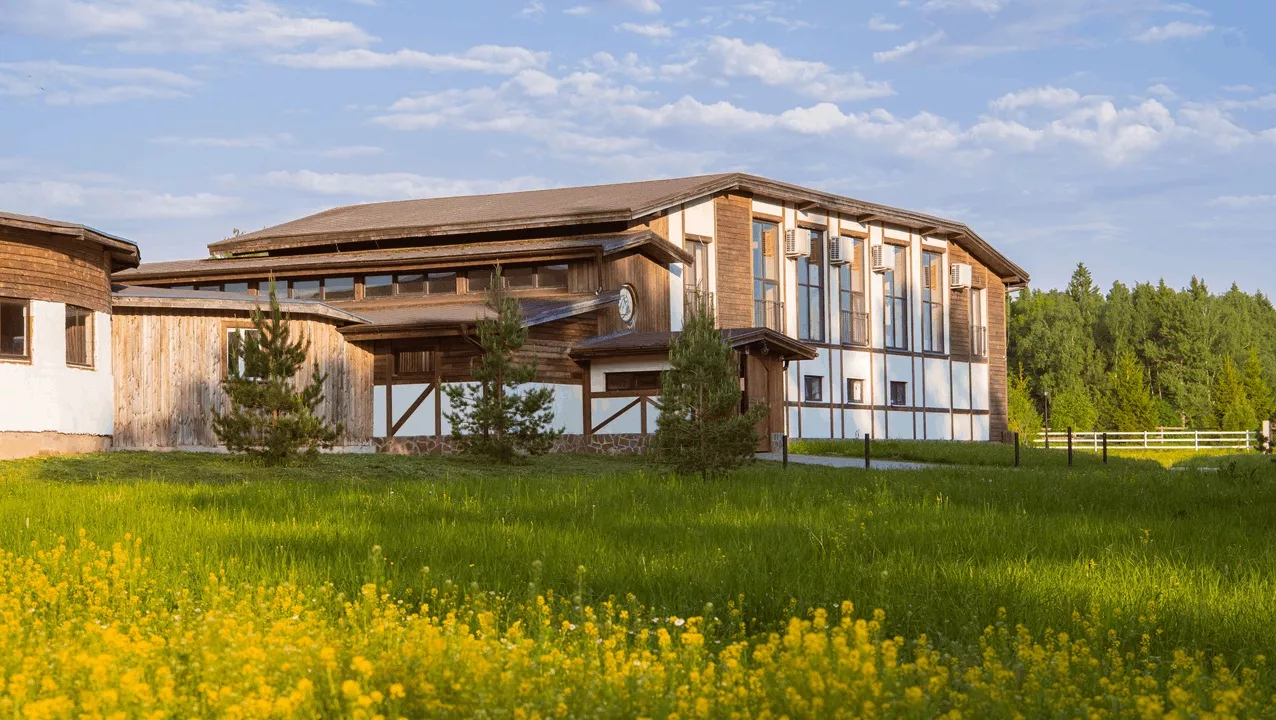
Where to go for a weekend from Moscow: how to choose a country holiday format for your company
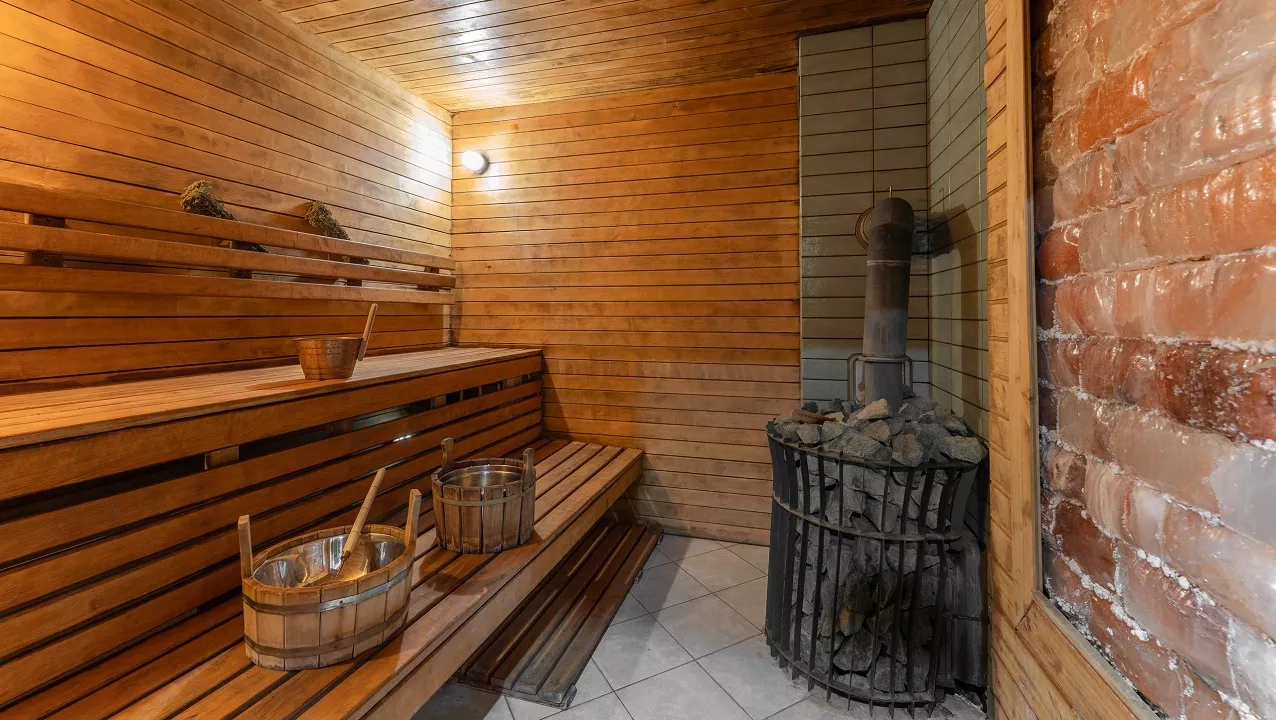
Sauna with children: from what age is it possible and how to prepare a child for the first visit
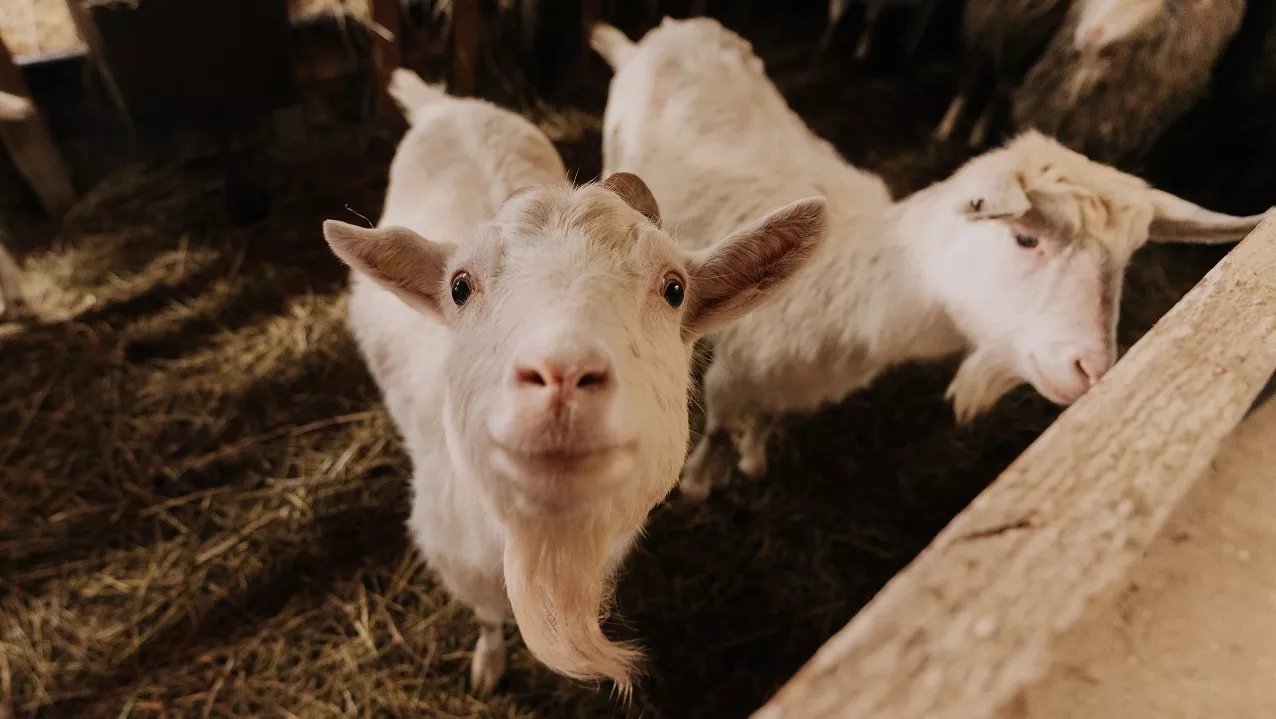
Goat's and cow's milk: how to choose a natural product and what are the benefits of farming traditions

Outdoor barbecue near the forest: how to organize gatherings with a company

Yoga and meditation in nature: a new format of recreational recreation

What is "slow tourism" and why is it gaining popularity in Russia?

Contrast treatments: how to alternate heat and cold in a Russian sauna


Wedding anniversary in nature: how to turn an important date into a real trip for two

How family vacations together change the relationship between parents and children

Agrotourism for children: how farm holidays help development, health, and family recreation

Ecorancho Workshop: how to work productively and really relax

Fishing in the Moscow region for the weekend: trophies, peace and comfort on an Eco ranch

Winter ATV riding in the Moscow region: drive, nature and new experiences

Winter Fishing: a complete guide for beginners and those who want to fish comfortably

Holidays with kids up to 3 years old in the country: what to take and where to settle

What is ecotourism: pros and cons, how to distinguish it from a regular vacation

Fishing for beginners: Where to start to catch your first trophy
The eco-ranch is your trophy start.
Sleep tourism: what it is and why it is becoming a global trend
The main principle: no alarm clocks, urgent calls, or deadlines. Just silence and tranquility.
What to take with you to the recreation center
Let your vacation in the Eco-Ranch go perfectly - you will be sure that nothing is forgotten!
Country holidays in winter: what to do besides skiing
Winter in the Moscow region is a great reason to get out of the city and discover new leisure formats.

The art of the Russian bath: how to steam properly for health and pleasure

A romantic margin of marriage and heart in nature: how to create the perfect moment

How to choose a country hotel in the suburbs for a trip with grandparents

Family weekend in the suburbs: how to occupy children and adults

Why it's worth celebrating a holiday in nature in the Moscow region

Organization of a children's birthday in nature: ideas and tips from Ecorancho

Fishing in the Moscow region in summer: trophy biting in the "Ecorancho"

Gastronomic tourism outside the city: farms, restaurants and tastings


In search of peace: fishing on eco -rancho - art art in nature


Active vacation outside the city: tracking, bicycle routes and horseback riding
Advantages of eco-tourism for health and ecology
Ecotourism is not just a fashion trend, but a conscious choice in favor of harmony with nature.

The best tips for organizing a picnic in nature
Organizing a picnic in nature requires careful preparation and attention to detail

How to choose a suitable place to relax outside
A suburban vacation allows you to restore strength naturally.

History of cheese making: how cheese culture has developed around the world
Over the millennia, this amazing product has gone from a simple way to preserve milk to an exquisite delicacy.
Why it is important to introduce children to farm animals: education and development
Communication with animals on the farm opens up new opportunities for children, contributing to their harmonious development and the formation of important life skills.

The importance of farm products in modern cuisine
In recent years, interest in farm products has shown steady growth.

The advantages of a winter vacation with fishing and a sauna for the New Year
Celebrating the New Year in nature creates a special holiday atmosphere.
Corporate nature retreat in the Moscow region
The eco-hotel "Ekorancho" offers excellent conditions for a successful Corporate retreat in the Moscow region.
Glamping with a swimming pool: a new format of comfortable rest in the Moscow region
Don't put off your ideal vacation for later. The eco-ranch is waiting for you to give you an unforgettable experience and help you recharge away from the hustle and bustle of the city.
New Year's holiday in the Moscow region: how to spend the holidays in an eco-hotel?
For those who want to spend the New Year holidays away from the hustle and bustle of the city, but at the same time not deprive themselves of comfort, a vacation in an eco-hotel in the Moscow region will be an ideal solution.
Fishing with accommodation in the Moscow region: the perfect combination of relaxation and pleasure
Fishing in the Moscow region is becoming increasingly popular among residents of large cities looking for privacy and tranquility in nature.


